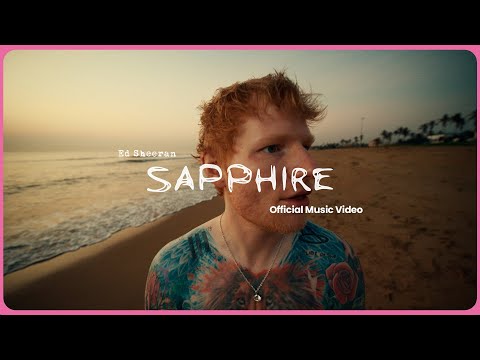
“2step (feat. Lil Baby) [Official Video]” is the remix of Ed Sheeran’s 2021 track “2step” from the album Equals (=), re‑framing a pop song about stress, overwork and escapism through the lens of a high‑profile collaboration with Atlanta rapper Lil Baby. In the original concept, Sheeran sings about having a “bad week,” pretending things aren’t serious while pressure builds, and finding temporary relief by turning off phones and going out to dance with the person he loves, using “two‑stepping” as a metaphor for reconnecting and breathing amidst constant hustle. The remix keeps that emotional core but adds Lil Baby’s verse, which shifts the narrative toward club culture, drugs and casual sex as preferred forms of escape, creating tension between Sheeran’s semi‑wholesome framing and the rapper’s more explicit lifestyle imagery.
Lyrics analysis notes that Sheeran credits his partner for helping him “take all of [his] stress right down,” emphasizing conversation, presence and shared time as coping mechanisms for burnout and anxiety. At the same time, both versions acknowledge living at a “different pace” and being stuck in a “constant race,” directly referencing the pressures of modern work, fame and productivity. Lil Baby’s feature introduces a contrasting coping strategy: ignoring problems, hanging out with friends, being in the club, using drugs and focusing on sexual possibilities, which some reviewers criticize as crude and at odds with the relatively restrained tone of the original. This duality makes “2step” an interesting, if uneven, snapshot of how mainstream pop and trap frame stress relief—one through romance and dance, the other through hedonism.
Visual Concept: Kyiv Setting, Movement and Symbolism
The official remix video, directed by NL Vossi, was filmed in Kyiv, Ukraine, before Russia’s full‑scale invasion, and follows Ed Sheeran as he moves through the city amid crowds, lights and rapid camera motion. The visual language places Sheeran in urban spaces—streets, subways, rooftops—where dancers and everyday people swirl around him, echoing the idea of being caught in a constant flow while trying to stay grounded with music and companionship. Lil Baby’s presence, whether in person or composited, adds a transatlantic dimension: British pop and American trap intersect visually in a European city that would soon become a war symbol, lending unintended weight to the imagery of chaos and resilience.
Analyses of the video highlight its kinetic editing and emphasis on motion: tracking shots, fast cuts and multi‑layered crowd scenes create a feeling of relentless pace, mirroring the song’s references to living at high speed and being “bound to break” under pressure. At the same time, moments where Sheeran focuses on a single partner or slows down for intimate interaction visually underscore the chorus’s invitation to “cancel all our plans” and just be present with one person where the music plays. This interplay between busy city movement and pockets of connection gives the video a symbolic contrast: modern life is overwhelming, but there are micro‑spaces of relief in shared dance and closeness.
Very Negative Critical Perspective: Content, Tone and Structural Issues
From a strongly negative, critical viewpoint, the remix and video raise several concerns. Plugged In’s review bluntly points out that Lil Baby’s verse “takes a bit of a crude turn,” moving the narrative from relational support and emotional sharing into explicit references to drugs, sex and reckless escapism. For a song that was “fairly clean” in its original form, the decision to revisit it with a feature that makes sexual intentions clear and emphasizes ignoring problems rather than processing them has been questioned as a marketing move rather than an artistic necessity. This shift can be read as prioritizing trend‑aligned trap aesthetics over coherent messaging about mental health and stress management.
Critics also note a structural imbalance in the collaboration itself. Sheeran’s verses present nuanced, if simple, reflections on overwork, phone addiction and the need to step away from constant digital engagement, but the inclusion of a feature built around club hedonism undermines the song’s potential to model healthier coping behaviors. In this framing, “2step (feat. Lil Baby)” becomes an example of how mainstream pop sometimes dilutes its own constructive messages to accommodate star features that may boost streaming numbers, radio appeal and cross‑genre presence without improving thematic depth. The broader structural critique is that collaborations like this are driven by streaming‑era incentives—algorithmic boosts, playlist slots, cross‑audience exposure—more than by a coherent artistic vision of how to talk about stress and escape.
Monetization, Views and Philanthropic Framing
Monetization for “2step (feat. Lil Baby)” operates on several levels. The track is available on major platforms such as Apple Music, Spotify and YouTube, generating revenue through streams, ad impressions and digital sales as part of Ed Sheeran’s Equals campaign and Lil Baby’s ongoing presence in global trap. The lyric and official videos drive watch‑time metrics and feed algorithmic recommendations, helping the song appear in curated lists for English pop, hip‑hop collaborations and dance playlists. Given Sheeran’s position as one of the top streaming artists, each new single adds to a catalog that ChartMasters and similar analyses identify as a major engine of digital revenue in the 2020s.
At the same time, the “2step” remix video from Kyiv carries a philanthropic dimension: Sheeran announced that proceeds from the video’s YouTube streams would be donated to the Disasters Emergency Committee’s Ukraine Humanitarian Appeal. This pledge directs a portion of ad and streaming income from the video toward relief efforts, positioning the release as more than just another commercial asset and potentially encouraging fans to watch and share with the understanding that their engagement contributes to charity. Even so, the larger streaming economy remains structurally unequal; policy and industry reports stress that revenue distributions heavily favor large rights‑holders and superstar catalogs, meaning that even philanthropic projects operate within a system where most artists receive modest per‑stream returns and have limited influence over platform policies.
Structural Critique: Global Pop, Trap Features and Market Power
From a structural angle, “2step (feat. Lil Baby)” illustrates how global pop and trap collaborations reinforce concentration of market power while shaping cultural narratives about stress and coping. Ed Sheeran, a dominant figure in streaming, partners with Lil Baby, one of the most commercially successful trap artists, thereby merging two high‑traffic audiences in a single track supported by major labels and promotion networks. This strategy expands reach but also strengthens the influence of a relatively small group of elite acts whose releases repeatedly occupy key slots on charts and playlists, making discovery harder for mid‑tier or emerging artists tackling similar themes.
Content‑wise, the collaboration normalizes a mixed message: on one hand, it acknowledges that modern life is overwhelming and suggests that turning off phones, canceling plans and reconnecting can help; on the other hand, it portrays clubbing, drug use and casual sex as default stress relief, especially in Lil Baby’s verse. Critics worry that such framing can trivialize deeper mental health struggles, reinforcing the idea that short‑term hedonism is an adequate response to burnout rather than pointing listeners toward sustainable support systems—therapy, boundaries, structural change. In this view, “2step” participates in a broader pop‑trap pattern where emotional issues are acknowledged but ultimately funneled into consumption of nightlife and entertainment rather than reflection on systemic pressures.
Positive Contributions: Emotional Relatability, Cross-Genre Collaboration and Sectoral Value
Despite these harsh critiques, the remix and video do create meaningful positive value. Many listeners resonate with Sheeran’s portrayal of a “bad week” and the feeling of pretending things aren’t serious while internally struggling; seeing a megastar admit to stress and the need to step away can normalize conversations about burnout and the importance of disconnecting from screens. For some, the song’s invitation to cancel plans, put phones down and focus on one loved person where the music plays serves as a simple, practical reminder to prioritize relationships and offline moments when overwhelmed.
The collaboration also has artistic and industry benefits. Musically, it reconnects Sheeran with his earlier rap‑like flows and rhythmic vocal delivery while integrating Lil Baby’s distinct cadence, offering an accessible entry point for pop audiences into trap textures and vice versa. Cross‑genre projects like this help diversify mainstream playlists, showing that British singer‑songwriters and American rappers can share emotional themes and sonic spaces, which can encourage future collaborations across other genres and markets. From a labor perspective, production of the Kyiv video engages directors, local crews, dancers, editors, colorists and security staff, while the song fuels work in A&R, rights management, marketing, platform operations and live performance logistics.
Real Impact on Work, Progress and Society
In terms of work and progress, “Ed Sheeran – 2step (feat. Lil Baby) [Official Video]” contributes to several layers of the modern creative economy. It supports employment across music writing, recording, mixing and mastering, as well as video production in a city that would soon face war, giving Kyiv’s creative sector visibility and income from an international project. The decision to donate YouTube proceeds from the video to Ukrainian humanitarian relief demonstrates how mainstream releases can be used to channel digital revenue toward crisis response, offering a concrete example of pop culture leveraging its audience reach for charitable impact.
Socially, the song adds to public dialogue about stress, overwork and the search for escape. While its solutions are mixed—romantic reconnection in Sheeran’s lines, hedonistic clubbing in Lil Baby’s—it still articulates pressures many listeners recognize, making it easier to talk about feeling stuck in a “constant race” and needing to step away. In a balanced view, “2step (feat. Lil Baby)” is both a product of a streaming‑era system that prioritizes high‑profile collaborations and sometimes sends conflicting messages about coping, and a piece of work that generates jobs, enables philanthropy and offers emotionally resonant language for discussing the strain of contemporary life.


![Ed Sheeran – Put It All On Me (feat. Ella Mai) [Official Music Video Complete] | Global Love Stories, Streaming Era Critique & Real Industry Impact](https://scaleaiforge.store/wp-content/uploads/2026/07/ed-sheeran-put-it-all-on-me-feat-ella-mai-official-music-video-complete-global-love-stories-streaming-era-critique-real-industry-impact.jpg)

![Ed Sheeran & Justin Bieber – I Don’t Care [Official Music and Complete Video] | Viral Duo Collab, Green-Screen Critique, Streaming Power & Real Industry Impact](https://scaleaiforge.store/wp-content/uploads/2026/07/ed-sheeran-justin-bieber-i-dont-care-official-music-and-complete-video-viral-duo-collab-green-screen-critique-streaming-power-real-industry-impact.jpg)
![Ed Sheeran – Beautiful People (feat. Khalid) [Official Music Video Complete] | Anti-Celebrity Anthem, Superficiality Critique, Streaming Power & Real Industry Impact](https://scaleaiforge.store/wp-content/uploads/2026/07/ed-sheeran-beautiful-people-feat-khalid-official-music-video-complete-anti-celebrity-anthem-superficiality-critique-streaming-power-real-industry-impact.jpg)