“Pour It Up” is a 2012–2013 trap-influenced single from Rihanna’s seventh studio album, Unapologetic, co-written by Michael Williams (Mike Will Made It), Theron Thomas, and Timothy Thomas, and produced primarily by Mike Will Made It. Released as part of Rihanna’s push into harder, club-oriented sounds, the track became a commercial success—selling over one million copies in the United States even before being officially serviced as a single—while simultaneously drawing sharp criticism for its lyrical content, video imagery, and perceived artistic decline.
Background and Context
“Pour It Up” arrived during a period when Rihanna was transitioning from pop-R&B star into a more provocative, genre-fluid global icon. The song was part of Unapologetic, an album noted for its unapologetically bold themes, aggressive production, and confrontational stance toward critics and the media. “Pour It Up” in particular leaned into trap aesthetics, heavy 808s, and a chant-like delivery that prioritized attitude and atmosphere over melodic complexity.
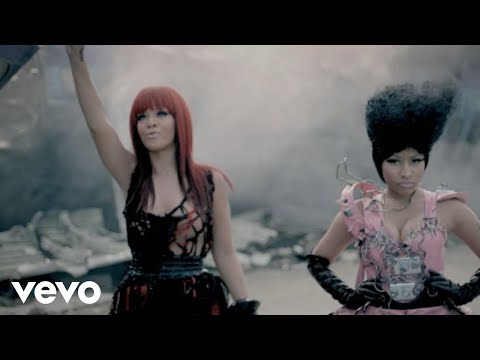
The music video, directed initially by Vincent Haycock before creative differences led to his exit, was shot in May 2013 and released later that year amid controversy. It depicted Rihanna in a strip-club environment, surrounded by dancers, money, and overtly sexualized imagery—sparking debates about exploitation, empowerment, and the limits of pop provocation.
Critical Reception: The Negative Case
Critics and cultural commentators have been sharply divided on “Pour It Up,” with the negative case often centering on artistic, ethical, and cultural grounds.
Artistic decline: Multiple reviewers described the track as dense, repetitive, and creatively lazy, arguing that it marked a low point in Rihanna’s catalog. One critic called it “a poor, insubstantial, and tiresome” song that quickly becomes boring after a few listens, more suited to fleeting club play than lasting artistic value.
Lyrical and thematic shallowness: The lyrics focus heavily on money, strip clubs, and material excess, with little narrative depth or emotional nuance. Some interpreters framed this as a “shameless ode to bling and strippers,” reducing complex socioeconomic realities to glorified party aesthetics.
Visual controversy and objectification: The music video received a “D” grade from HitFix, which criticized it as a “dimly lit video equivalent of a Playboy photo spread” designed primarily for male gratification rather than genuine empowerment. Critics argued that the video, despite Rihanna’s agency as performer and executive, still operated within a system that commodifies women’s bodies for profit and spectacle.
Cultural critique: Some commentators situated “Pour It Up” within a broader pattern of misogyny and exploitation in the music industry, suggesting that even when women like Rihanna appear to be in control, they are still participating in structures that reinforce harmful gender dynamics.
Critical Reception: The Positive Case
Despite—or perhaps because of—its controversies, “Pour It Up” also has defenders who highlight its cultural, economic, and artistic significance.
Commercial success and industry impact: The song sold over one million copies in the U.S. without even being officially pushed as a single—a rare feat that underscores Rihanna’s star power and the track’s immediate resonance with audiences. This level of success contributed to the broader normalization of trap-influenced production in mainstream pop, paving the way for future genre hybridization.
Cultural commentary and agency: Supporters argue that “Pour It Up” can be read as a deliberate reclamation of space and power within a male-dominated industry. By centering herself in a strip-club narrative—not as a victim but as the dominant figure controlling the money, the gaze, and the performance—Rihanna subverts traditional power dynamics and asserts financial and sexual autonomy.
Aesthetic boldness: The track’s aggressive minimalism, chanted hooks, and heavy bass have been praised by some as a bold stylistic choice that aligned Rihanna with the rising trap movement before it fully dominated charts. In this sense, “Pour It Up” can be seen as forward-looking, anticipating the sonic direction of 2010s pop and hip-hop.
Economic ripple effects: Beyond Rihanna herself, the song and its video generated work for a wide ecosystem: dancers, choreographers, stylists, directors, editors, promotional teams, and streaming platforms all benefited from the single’s rollout and ongoing cultural presence. While exact figures are not publicly itemized, high-profile releases of this scale typically inject hundreds of thousands of dollars into local production economies and contribute to long-term brand equity for all involved.
Societal and Sectoral Contributions
“Pour It Up” impacted multiple sectors, both directly and indirectly:
Music and entertainment industry: The track reinforced Rihanna’s status as a hitmaker capable of driving sales and streams even with polarizing material. It contributed to the commercial viability of trap-pop hybrids, influencing producers and artists who followed.
Fashion and beauty: Rihanna’s styling in the video and associated promotional appearances amplified demand for the designers, stylists, and beauty brands involved, many of whom saw increased visibility and sales following the release.
Digital media and streaming: As one of the early 2010s tracks to gain traction through YouTube and streaming platforms, “Pour It Up” helped demonstrate the monetization potential of provocative visual content in the digital age.
Cultural discourse: The song sparked conversations about feminism, agency, and representation in pop music, contributing to academic and journalistic analysis of gender, race, and capitalism in entertainment. These debates, while contentious, enriched public understanding of how pop culture both reflects and shapes societal values.
Final Assessment
“Pour It Up” remains a deeply polarizing artifact in Rihanna’s discography. To its detractors, it represents artistic laziness, ethical compromise, and the worst tendencies of a music industry that commodifies women’s bodies for profit. To its defenders, it is a strategically bold, culturally resonant statement that asserts autonomy, anticipates sonic trends, and generates tangible economic and discursive value across multiple sectors.
What is undeniable is that “Pour It Up” succeeded on its own terms: it sold, it streamed, it provoked, and it endured as a reference point in debates about pop, power, and performance in the 21st century. Whether viewed as a cautionary tale or a triumph of agency, the track’s footprint on music, culture, and industry remains significant—and unlikely to be forgotten.

![Ed Sheeran – Put It All On Me (feat. Ella Mai) [Official Music Video Complete] | Global Love Stories, Streaming Era Critique & Real Industry Impact](https://scaleaiforge.store/wp-content/uploads/2026/07/ed-sheeran-put-it-all-on-me-feat-ella-mai-official-music-video-complete-global-love-stories-streaming-era-critique-real-industry-impact.jpg)
![Ed Sheeran – 2step (feat. Lil Baby) [Official Video Complete] | Kyiv Visual, Trap-Pop Remix, Streaming Controversy & Real Social Impact](https://scaleaiforge.store/wp-content/uploads/2026/07/ed-sheeran-2step-feat-lil-baby-official-video-complete-kyiv-visual-trap-pop-remix-streaming-controversy-real-social-impact.jpg)
![Ed Sheeran & Justin Bieber – I Don’t Care [Official Music and Complete Video] | Viral Duo Collab, Green-Screen Critique, Streaming Power & Real Industry Impact](https://scaleaiforge.store/wp-content/uploads/2026/07/ed-sheeran-justin-bieber-i-dont-care-official-music-and-complete-video-viral-duo-collab-green-screen-critique-streaming-power-real-industry-impact.jpg)
![Ed Sheeran – Beautiful People (feat. Khalid) [Official Music Video Complete] | Anti-Celebrity Anthem, Superficiality Critique, Streaming Power & Real Industry Impact](https://scaleaiforge.store/wp-content/uploads/2026/07/ed-sheeran-beautiful-people-feat-khalid-official-music-video-complete-anti-celebrity-anthem-superficiality-critique-streaming-power-real-industry-impact.jpg)