“What’s My Name?” is a 2010 R&B and pop collaboration between Rihanna and Canadian rapper Drake, released as the lead single from Loud. Produced by StarGate with additional contributions from Ester Dean, the track blends seductive island-tinged production, a repetitive but instantly memorable hook (“Ooh na na, what’s my name?”), and suggestive, flirtatious lyrics that frame a playful sexual rendezvous. The song became a major commercial success, reaching number one on the Billboard Hot 100 and topping charts in multiple countries, while also earning a Grammy nomination for Best Rap/Sung Collaboration in 2012.
Background and Context
“What’s My Name?” arrived at a key moment in both artists’ careers. For Rihanna, it followed the darker, more confrontational Rated R era and the red-haired, unapologetic reinvention seen in Loud. For Drake, it came shortly after the breakthrough success of his mixtape So Far Gone and his debut album Thank Me Later, cementing his status as a rising force in pop-rap. Produced by StarGate, the same team behind hits like “Don’t Stop the Music” and “Rude Boy,” the song uses mid-tempo synths, Caribbean flavor, and a chant-like chorus to create a hook-driven track designed for radio and club play.
The lyrics center on a flirtatious, sexually charged encounter, with Rihanna teasing her partner about his ability to “work” her body while Drake delivers a smooth opening verse that sets the tone for the night. The song’s narrative blurs the line between romance and casual intimacy, creating a playful yet provocative atmosphere that resonated with global audiences.
Critical Reception: The Negative Case
Critics and cultural commentators have been divided on “What’s My Name?,” with the negative case often focusing on lyrical content, artistic originality, and cultural implications.
Lyrical shallowness and repetitiveness: Detractors have pointed to the song’s repetitive hook and minimal lyrical variation as evidence of creative laziness. The chorus, built around the phrase “Ooh na na, what’s my name?”, has been criticized for prioritizing catchiness over substance, reducing a complex emotional and sexual dynamic to a simple, chantable refrain.
Sexually explicit content and moral concerns: The song’s overtly sexual lyrics—referencing bodily pleasure, late-night intimacy, and performative seduction—have drawn criticism from more conservative voices who view the track as promoting casual sex and objectification. Some critics have argued that the song’s framing of sexual interaction as a game or performance can reinforce problematic attitudes toward intimacy and consent.
Cultural commodification: Others have situated “What’s My Name?” within a broader pattern of mainstream pop’s appropriation and commercialization of Caribbean and island aesthetics, arguing that the song uses reggae and dancehall textures primarily for exotic appeal rather than genuine cultural engagement. This critique aligns with wider debates about the ethics of borrowing from marginalized musical traditions without deeper acknowledgment or collaboration.
Artistic dependence on formula: Some analysts have noted that the track leans heavily on StarGate’s proven hit-making formula, which, while commercially effective, can feel formulaic and predictable. This reliance on a familiar structure has led some to view the song as a safe, calculated release rather than a bold artistic statement.
Critical Reception: The Positive Case
Conversely, supporters have celebrated “What’s My Name?” as a masterfully crafted, culturally significant pop hit that exemplifies the strengths of early 2010s R&B and hip-hop collaboration.
Songwriting and production craftsmanship: Defenders praise the track’s tight songwriting, melodic immediacy, and polished production, which together create a seamless blend of pop, R&B, and Caribbean influences. The hook, while repetitive, is widely regarded as one of the most memorable in Rihanna’s catalog, demonstrating her ability to turn simple phrases into global earworms.
Chemistry and vocal interplay: The dynamic between Rihanna’s sultry vocals and Drake’s smooth, conversational rap has been highlighted as a key strength, with critics noting the natural chemistry that makes the flirtatious narrative feel authentic rather than scripted. This interplay contributes to the song’s sense of intimacy and playfulness, drawing listeners into the shared experience of the lyrics.
Commercial success and cultural impact: The song’s commercial performance—reaching number one on the Billboard Hot 100, topping charts internationally, and earning a Grammy nomination—underscores its widespread appeal and cultural resonance. Its success helped solidify both Rihanna and Drake as dominant forces in pop music, paving the way for future collaborations and influencing the sonic direction of 2010s R&B and hip-hop.
Representation and empowerment: Some commentators have interpreted the song as empowering for female listeners, particularly given Rihanna’s assertive, self-possessed vocal delivery. Lines like “Not everyone knows how to work my body” position Rihanna as an active agent in her own pleasure, challenging traditional narratives of female passivity in romantic and sexual contexts.
Societal and Sectoral Contributions
“What’s My Name?” impacted multiple sectors, both directly and indirectly:
Music and entertainment industry: The track reinforced Rihanna’s status as a hitmaker and helped elevate Drake’s profile as a crossover star capable of dominating both rap and pop charts. Its success contributed to the mainstream acceptance of R&B and hip-hop collaborations, influencing producers and artists who sought to replicate its blend of smooth rap and melodic singing.
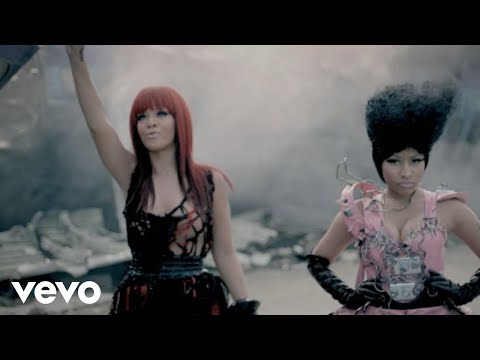
Fashion and visual media: The music video, featuring Rihanna’s vibrant red hair and playful, street-level romance with Drake, became a visual touchstone that influenced fashion editors, stylists, and digital content creators. Rihanna’s look in the video—bold, colorful, and unapologetically confident—aligned with the broader Loud era aesthetic and inspired trends in hair color, styling, and pop visual culture.
Digital media and streaming: As one of the early 2010s hits to thrive in the emerging streaming era, “What’s My Name?” helped demonstrate the enduring commercial viability of hook-driven, radio-friendly pop in a rapidly digitizing market.
Cultural discourse and education: The song has been used in academic and journalistic contexts to explore themes of gender, sexuality, and representation in popular music. Its lyrics and narrative structure have been analyzed in discussions about dialogue songs, sexual agency, and the politics of intimacy in pop culture.
Economic ripple effects: Beyond Rihanna and Drake, the song and its video generated work for a wide ecosystem: producers, engineers, dancers, choreographers, stylists, directors, editors, promotional teams, and streaming platforms all benefited from the single’s rollout and ongoing cultural presence. While exact figures are not publicly itemized, high-profile releases of this scale typically inject hundreds of thousands of dollars into local production economies and contribute to long-term brand equity for all involved.
Final Assessment
“What’s My Name?” remains a deeply polarizing yet undeniably influential artifact in both Rihanna’s and Drake’s discographies. To its detractors, it represents lyrical shallowness, sexual commodification, and the formulaic tendencies of mainstream pop. To its defenders, it is a masterfully crafted, culturally resonant hit that asserts female agency, celebrates sexual pleasure, and generates tangible economic and discursive value across multiple sectors.
What is undeniable is that “What’s My Name?” succeeded on its own terms: it charted, it streamed, it provoked, it endured, and it became a reference point in debates about pop, power, and performance in the 21st century. Whether viewed as a cautionary tale or a triumph of pop craftsmanship, the track’s footprint on music, culture, and industry remains significant—and unlikely to be forgotten.
![Ed Sheeran – Put It All On Me (feat. Ella Mai) [Official Music Video Complete] | Global Love Stories, Streaming Era Critique & Real Industry Impact](https://scaleaiforge.store/wp-content/uploads/2026/07/ed-sheeran-put-it-all-on-me-feat-ella-mai-official-music-video-complete-global-love-stories-streaming-era-critique-real-industry-impact.jpg)
![Ed Sheeran – 2step (feat. Lil Baby) [Official Video Complete] | Kyiv Visual, Trap-Pop Remix, Streaming Controversy & Real Social Impact](https://scaleaiforge.store/wp-content/uploads/2026/07/ed-sheeran-2step-feat-lil-baby-official-video-complete-kyiv-visual-trap-pop-remix-streaming-controversy-real-social-impact.jpg)
![Ed Sheeran & Justin Bieber – I Don’t Care [Official Music and Complete Video] | Viral Duo Collab, Green-Screen Critique, Streaming Power & Real Industry Impact](https://scaleaiforge.store/wp-content/uploads/2026/07/ed-sheeran-justin-bieber-i-dont-care-official-music-and-complete-video-viral-duo-collab-green-screen-critique-streaming-power-real-industry-impact.jpg)
![Ed Sheeran – Beautiful People (feat. Khalid) [Official Music Video Complete] | Anti-Celebrity Anthem, Superficiality Critique, Streaming Power & Real Industry Impact](https://scaleaiforge.store/wp-content/uploads/2026/07/ed-sheeran-beautiful-people-feat-khalid-official-music-video-complete-anti-celebrity-anthem-superficiality-critique-streaming-power-real-industry-impact.jpg)