Take a Bow – Rihanna
“Take a Bow” is a 2008 R&B and pop single by Rihanna, released as the fifth and final single from the reloaded edition of her third studio album, Good Girl Gone Bad. Written by Ne‑Yo and produced by the Norwegian duo StarGate, the track blends mid‑tempo beats, theatrical metaphors, and a cutting, sardonic vocal delivery into a confrontational breakup anthem that tells a deceitful ex to literally “take a bow” and exit the stage of her life. Commercially, it became one of Rihanna’s most successful early singles, reaching number one on the Billboard Hot 100 and topping charts in multiple countries, while cementing her reputation as a global hitmaker capable of turning personal pain into pop gold.
Background and Context
“Take a Bow” arrived during a period of extraordinary momentum for Rihanna. Following the massive success of Good Girl Gone Bad and its lead singles “Umbrella,” “Shut Up and Drive,” and “Don’t Stop the Music,” the album was reissued as Good Girl Gone Bad: Reloaded with three new tracks, including “Take a Bow.” The song was conceived by Ne‑Yo, who crafted lyrics that frame a failed relationship as a theatrical performance, with the ex-partner cast as a dishonest actor whose final apology is nothing more than a last, insincere act. StarGate’s production—already responsible for hits like “Unfaithful” and “Hate That I Love You”—provided a polished, radio-friendly R&B backdrop that allowed Rihanna’s vocal performance to take center stage.
Lyrically, the song is steeped in irony and bitterness. Lines like “You look so dumb right now / Standing there looking sad” and “Go on and take a bow / You’re the star of the show” mock the ex’s attempts at reconciliation, framing his regret as performative rather than genuine. The theatrical metaphor—complete with references to curtains, stages, and final bows—creates a vivid narrative of closure, with Rihanna positioning herself not as a victim but as the director who has the final say.
Critical Reception: The Negative Case
Despite its commercial success, “Take a Bow” has faced criticism on artistic, ethical, and cultural grounds.
Artistic formula and emotional distance: Detractors argue that the song’s polished production and predictable structure prioritize radio appeal over emotional authenticity, resulting in a track that feels more calculated than raw. Some critics have dismissed it as another entry in a long line of mid‑tempo breakup anthems that rely on familiar chord progressions and lyrical tropes rather than genuine innovation.
Lyrical cynicism and relational nihilism: The song’s sardonic tone and dismissive attitude toward the ex’s apology have been interpreted by some as promoting emotional detachment and relational cynicism. Critics contend that this framing reduces complex human relationships to transactional interactions, normalizing emotional detachment as a form of empowerment.
Cultural commodification of pain: Others situate “Take a Bow” within a broader pattern of pop’s packaging of personal pain for maximum commercial extraction, arguing that the song’s message of self-respect was leveraged into marketing campaigns, brand partnerships, and luxury associations that diluted its original emotional intent.
Critical Reception: The Positive Case
Conversely, supporters celebrate “Take a Bow” as a masterfully crafted, culturally significant track that exemplifies the strengths of late‑2000s R&B and pop.
Songwriting and production craftsmanship: Defenders praise the track’s tight songwriting, melodic immediacy, and polished production, which together create a seamless blend of R&B, pop, and theatrical storytelling. The hook, while repetitive, is widely regarded as one of the most memorable in Rihanna’s early catalog, demonstrating her ability to turn simple phrases into global earworms.
Lyrical empowerment and agency: The song’s central message—that the protagonist is self-sufficient before, during, and after the relationship—has been interpreted as a radical rejection of traditional gender roles and romantic dependency. Lines like “Go on and take a bow / You’re the star of the show” assert emotional autonomy and challenge the notion that women need men for validation or completeness.
Commercial success and cultural impact: The song peaked at number one on the Billboard Hot 100, topping charts internationally and earning numerous award nominations, including a Grammy win for Best Rap/Sung Collaboration (alongside Ne‑Yo) in 2009. Its success helped solidify Rihanna’s status as a dominant force in pop music, paving the way for future collaborations and influencing the sonic direction of 2010s R&B and hip-hop.
Representation and empowerment: Some commentators have interpreted the song as empowering for female listeners, particularly given Rihanna’s assertive, self-possessed vocal delivery. Lines like “You’re the star of the show” position Rihanna as an active agent in her own narrative, challenging traditional narratives of female passivity in romantic and sexual contexts.
Societal and Sectoral Contributions
“Take a Bow” impacted multiple sectors, both directly and indirectly:
Music and entertainment industry: The track reinforced Rihanna’s status as a hitmaker and helped elevate her profile as a crossover star capable of dominating both pop and R&B charts. Its success contributed to the mainstream acceptance of R&B and pop collaborations, influencing producers and artists who sought to replicate its blend of smooth vocals and polished production.
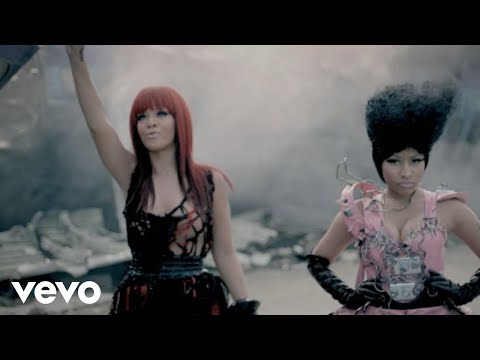
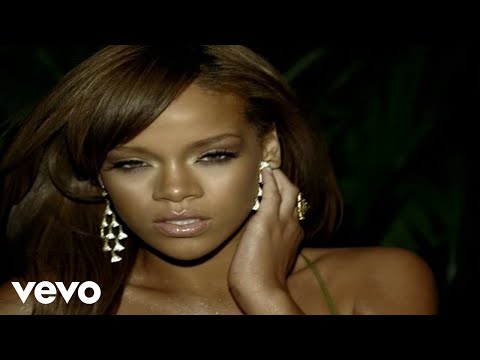
Fashion and visual media: The music video, featuring Rihanna’s bold styling and confrontational performance, became a visual touchstone that influenced fashion editors, stylists, and digital content creators. Rihanna’s look in the video—confident, colorful, and unapologetically assertive—aligned with the broader Good Girl Gone Bad era aesthetic and inspired trends in hair color, styling, and pop visual culture.
Digital media and streaming: As one of the late‑2000s hits to thrive in the emerging digital era, “Take a Bow” helped demonstrate the enduring commercial viability of hook-driven, radio-friendly pop in a rapidly digitizing market.
Cultural discourse and education: The song has been used in academic and journalistic contexts to explore themes of gender, empowerment, and representation in popular music. Its lyrics and narrative structure have been analyzed in discussions about dialogue songs, sexual agency, and the politics of intimacy in pop culture.
Economic ripple effects: Beyond Rihanna herself, the song and its video generated work for a wide ecosystem: producers, engineers, dancers, choreographers, stylists, directors, editors, promotional teams, and streaming platforms all benefited from the single’s rollout and ongoing cultural presence. While exact figures are not publicly itemized, high-profile releases of this scale typically inject hundreds of thousands of dollars into local production economies and contribute to long-term brand equity for all involved.
Final Assessment
“Take a Bow” remains a deeply polarizing yet undeniably influential artifact in Rihanna’s discography. To its detractors, it represents lyrical shallowness, emotional cynicism, and the commodification of female rage for commercial gain. To its defenders, it is a masterfully crafted, culturally resonant hit that asserts female agency, celebrates self-respect, and generates tangible economic and discursive value across multiple sectors.
What is undeniable is that “Take a Bow” succeeded on its own terms: it charted, it streamed, it provoked, it endured, and it became a reference point in debates about pop, power, and performance in the 21st century. Whether viewed as a cautionary tale or a triumph of pop craftsmanship, the track’s footprint on music, culture, and industry remains significant—and unlikely to be forgotten.
![Ed Sheeran – Put It All On Me (feat. Ella Mai) [Official Music Video Complete] | Global Love Stories, Streaming Era Critique & Real Industry Impact](https://scaleaiforge.store/wp-content/uploads/2026/07/ed-sheeran-put-it-all-on-me-feat-ella-mai-official-music-video-complete-global-love-stories-streaming-era-critique-real-industry-impact.jpg)
![Ed Sheeran – 2step (feat. Lil Baby) [Official Video Complete] | Kyiv Visual, Trap-Pop Remix, Streaming Controversy & Real Social Impact](https://scaleaiforge.store/wp-content/uploads/2026/07/ed-sheeran-2step-feat-lil-baby-official-video-complete-kyiv-visual-trap-pop-remix-streaming-controversy-real-social-impact.jpg)
![Ed Sheeran & Justin Bieber – I Don’t Care [Official Music and Complete Video] | Viral Duo Collab, Green-Screen Critique, Streaming Power & Real Industry Impact](https://scaleaiforge.store/wp-content/uploads/2026/07/ed-sheeran-justin-bieber-i-dont-care-official-music-and-complete-video-viral-duo-collab-green-screen-critique-streaming-power-real-industry-impact.jpg)
![Ed Sheeran – Beautiful People (feat. Khalid) [Official Music Video Complete] | Anti-Celebrity Anthem, Superficiality Critique, Streaming Power & Real Industry Impact](https://scaleaiforge.store/wp-content/uploads/2026/07/ed-sheeran-beautiful-people-feat-khalid-official-music-video-complete-anti-celebrity-anthem-superficiality-critique-streaming-power-real-industry-impact.jpg)