S&M – Rihanna
“S&M” is the 2010–2011 electro-pop and dance anthem by Rihanna that became one of the most controversial, commercially successful, and culturally significant tracks of her career. Written by Mikkel S. Eriksen, Tor Erik Hermansen, Sandy Vee, Ester Dean, and Jamie Sanderson (as Jimmy J), and produced by StarGate and Sandy Vee, the song blends provocative BDSM-inspired metaphors, a driving four-on-the-floor beat, and an infectious hook into a bold statement about sexuality, media scrutiny, and personal agency. Released as the fourth single from Loud, the track reached number one on the Billboard Hot 100 following a high-profile remix featuring Britney Spears, cementing Rihanna’s status as the fastest solo artist in history to accumulate ten U.S. chart-toppers.
Background and Context
“S&M” arrived during a period of intense creative evolution for Rihanna. Following the darker, more introspective Rated R era, Loud marked a deliberate return to dance-floor anthems and unapologetic pop provocation. The song was conceived by StarGate and Sandy Vee, with lyrical contributions from Ester Dean and Jamie Sanderson, crafting a track that balanced club-ready production with boundary-pushing themes. While the title explicitly references sadism and masochism, Rihanna has stated in interviews that the song operates on multiple levels: as a celebration of sexual liberation, as a metaphor for her tumultuous relationship with the media, and as a broader commentary on the love-hate dynamic between celebrities and public scrutiny.
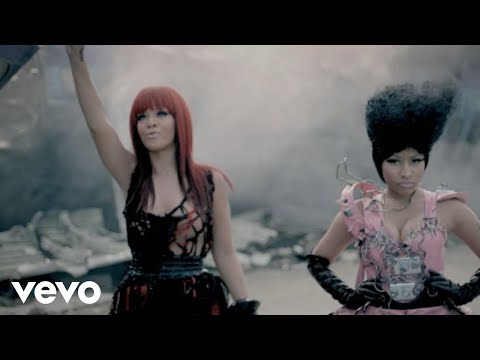
The music video, directed by Melina Matsoukas, became a cultural flashpoint for its explicit fetish imagery, hyper-saturated color palette, and confrontational symbolism—including scenes of Rihanna leading gossip bloggers on leashes and being wrapped in Saran Wrap to signify how she is “packaged” and consumed by the public. The video was banned or restricted to late-night播放 in 11 countries, sparking heated debates about censorship, artistic freedom, and the limits of pop provocation.
Critical Reception: The Negative Case
“S&M” has faced sustained criticism on artistic, ethical, and cultural grounds, with detractors arguing that the track and its visuals cross the line from empowerment into exploitation.
Artistic shallowness and formulaic production: Some critics dismiss the song as another entry in a long line of mid‑tempo dance anthems that rely on familiar synth textures and lyrical tropes rather than genuine innovation. The deliberately repetitive hook and predictable structure have been interpreted by some as prioritizing commercial appeal over artistic ambition.
Sexual commodification and moral concerns: The song’s explicit references to BDSM practices—spanking, bondage, chains, and role-play—have drawn criticism from conservative voices and child advocacy groups who view the track as promoting sexual objectification and potentially harmful behavior. The American Psychological Association’s 2007 report on the sexualization of girls in media has been cited in critiques of “S&M,” with some commentators arguing that the song’s raunchy aesthetics contribute to a culture that normalizes the objectification of women and can have detrimental effects on younger audiences, including eating disorders, low self-worth, and depression.
Visual controversy and censorship: The music video’s explicit imagery led to bans in multiple countries, including Australia, Malaysia, and South Korea, and restrictions on broadcast times in others. Critics argue that even when women control the narrative, they may still be reinforcing harmful stereotypes about femininity, sexuality, and power through the “male gaze.”
Cultural commodification of taboo: Others situate “S&M” within a broader pattern of pop’s packaging of sexual taboo for maximum commercial extraction, arguing that the song’s message of liberation was leveraged into marketing campaigns, brand partnerships, and luxury associations that diluted its original emotional intent.
Critical Reception: The Positive Case
Conversely, supporters celebrate “S&M” as a masterfully crafted, culturally significant track that exemplifies the strengths of early 2010s dance-pop and feminist discourse.
Songwriting and production excellence: Defenders praise the track’s tight songwriting, melodic immediacy, and polished production, which together create a seamless blend of pop, R&B, and electronic textures. The hook, widely regarded as one of the most memorable in Rihanna’s catalog, demonstrates her ability to turn provocative phrases into global earworms.
Cultural impact and global resonance: The song reached number one in six countries and the top ten in 22 additional territories, becoming one of Rihanna’s biggest international hits. Its success helped solidify Rihanna’s status as a dominant force in pop music, paving the way for future collaborations and influencing the sonic direction of 2010s dance-pop.
Empowerment and sexual liberation: Many commentators have interpreted the song as empowering for female listeners, particularly given Rihanna’s assertive, self-possessed vocal delivery. Lines like “I may be bad, but I’m perfectly good at it” position Rihanna as an active agent in her own narrative, challenging traditional narratives of female passivity in romantic and sexual contexts.
Media critique and artistic boldness: Rihanna has stated that the song is partly a metaphor for her relationship with the media, with the BDSM imagery serving as a commentary on how celebrities are “leashed” and controlled by public scrutiny. The music video’s confrontational symbolism—including scenes of Rihanna leading gossip bloggers on leashes—has been praised as a direct rebuttal to tabloid culture and a reclaiming of her own narrative.
Societal and Sectoral Contributions
“S&M” impacted multiple sectors, both directly and indirectly:
Music and entertainment industry: The track reinforced Rihanna’s artistic evolution and commercial viability, influencing producers and artists who sought to replicate its blend of provocative lyrics and club-ready production. It contributed to the broader normalization of dance-pop in mainstream pop, paving the way for future genre hybridization.
Fashion and visual media: The music video’s hyper-saturated, fetish-inspired imagery inspired fashion editors, stylists, and visual artists, many of whom incorporated its aesthetic into editorial shoots, runway presentations, and digital content.
Digital media and streaming: As one of the early 2010s tracks to gain traction through both traditional radio and emerging digital platforms, “S&M” helped demonstrate the monetization potential of emotionally and sexually charged pop in the digital age.
Cultural discourse and education: The song has been used in academic and journalistic contexts to explore themes of sexuality, empowerment, media scrutiny, and the politics of representation in popular culture. These discussions, while contentious, have enriched public understanding of how pop music both reflects and shapes societal values.
Economic ripple effects: Beyond Rihanna herself, the song and its video generated work for a wide ecosystem: producers, engineers, dancers, choreographers, stylists, directors, editors, promotional teams, and streaming platforms all benefited from the single’s rollout and ongoing cultural presence. While exact figures are not publicly itemized, high-profile releases of this scale typically inject hundreds of thousands of dollars into local production economies and contribute to long-term brand equity for all involved.
Final Assessment
“S&M” remains a deeply polarizing yet undeniably influential artifact in Rihanna’s discography. To its detractors, it represents artistic shallowness, sexual commodification, and the normalization of harmful stereotypes about femininity and power. To its defenders, it is a masterfully crafted, culturally resonant hit that asserts female agency, celebrates sexual liberation, and generates tangible economic and discursive value across multiple sectors.
What is undeniable is that “S&M” succeeded on its own terms: it charted, it streamed, it provoked, it endured, and it became a reference point in debates about pop, power, and performance in the 21st century. Whether viewed as a cautionary tale or a triumph of pop provocation, the track’s footprint on music, culture, and industry remains significant—and unlikely to be forgotten.

![Ed Sheeran – Put It All On Me (feat. Ella Mai) [Official Music Video Complete] | Global Love Stories, Streaming Era Critique & Real Industry Impact](https://scaleaiforge.store/wp-content/uploads/2026/07/ed-sheeran-put-it-all-on-me-feat-ella-mai-official-music-video-complete-global-love-stories-streaming-era-critique-real-industry-impact.jpg)
![Ed Sheeran – 2step (feat. Lil Baby) [Official Video Complete] | Kyiv Visual, Trap-Pop Remix, Streaming Controversy & Real Social Impact](https://scaleaiforge.store/wp-content/uploads/2026/07/ed-sheeran-2step-feat-lil-baby-official-video-complete-kyiv-visual-trap-pop-remix-streaming-controversy-real-social-impact.jpg)
![Ed Sheeran & Justin Bieber – I Don’t Care [Official Music and Complete Video] | Viral Duo Collab, Green-Screen Critique, Streaming Power & Real Industry Impact](https://scaleaiforge.store/wp-content/uploads/2026/07/ed-sheeran-justin-bieber-i-dont-care-official-music-and-complete-video-viral-duo-collab-green-screen-critique-streaming-power-real-industry-impact.jpg)
![Ed Sheeran – Beautiful People (feat. Khalid) [Official Music Video Complete] | Anti-Celebrity Anthem, Superficiality Critique, Streaming Power & Real Industry Impact](https://scaleaiforge.store/wp-content/uploads/2026/07/ed-sheeran-beautiful-people-feat-khalid-official-music-video-complete-anti-celebrity-anthem-superficiality-critique-streaming-power-real-industry-impact.jpg)