Where Have You Been – Rihanna
“Where Have You Been,” released in 2012 as the fifth single from Rihanna’s sixth studio album Talk That Talk, is a defining dance-pop anthem of the early 2010s that encapsulates both the artistic ambition and commercial calculation of its era, achieving massive global success while also highlighting the tensions between empowerment narratives, romantic longing, and the machinery of mainstream pop production.
Commercial Performance and Chart Trajectory
“Where Have You Been” peaked at number five on the U.S. Billboard Hot 100 and reached the top ten in more than twenty-three charts across sixteen countries, including number-one positions on the U.S. and UK dance charts. The track earned multi-platinum certifications in several territories and has accumulated hundreds of millions of streams across digital platforms, with its official music video on YouTube surpassing 800 million views as of 2026. The song also received two Grammy nominations, underscoring its recognition within the industry as both a commercial and artistic achievement.
Produced by Dr. Luke, Cirkut, and Calvin Harris, with songwriting contributions from Ester Dean, the track fused elements of 1980s Chicago house, gospel-inspired vocal arrangements, and electronic dance-pop, creating a sound that was simultaneously nostalgic and forward-looking. Its structural complexity—deviating from conventional pop formulas by allocating only 25 percent of the song to the chorus and giving instrumental breaks equal weight to verses—was noted by music analysts as a key factor in its memorability and replay value.
Positive Critical Perspectives: Artistic Growth and Empowerment
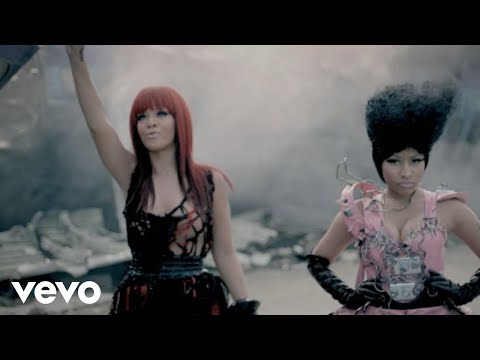
Critics and cultural commentators have widely praised “Where Have You Been” as a turning point in Rihanna’s artistic evolution, marking her transition from club-ready dance-pop toward more choreographically and vocally demanding performances. The music video, directed by Dave Meyers, was lauded for its ambitious choreography, cinematic scope, and Rihanna’s commanding presence, with many reviewers noting that it showcased a new level of artistic maturity and physical discipline.
Lyrically, the song has been interpreted as an empowering anthem of self-discovery and romantic agency, with Rihanna’s repeated question—“Where have you been all my life?”—framed as a declaration of readiness for a partner who can truly meet her emotional and physical needs. This narrative resonated with audiences who saw the track as a celebration of individuality, self-worth, and the pursuit of meaningful connection, reinforcing Rihanna’s image as a figure of confidence and independence. The song’s production, with its layered tension-and-release dynamics and multiple “payoff” moments, was also highlighted as a sophisticated example of pop craftsmanship that rewarded active listening and repeated engagement.
Beyond the music itself, “Where Have You Been” contributed to broader cultural conversations about female empowerment, body autonomy, and the right to demand emotional and romantic fulfillment. Its adoption as an anthem by fans navigating personal struggles—whether in relationships, self-identity, or life purpose—underscored its emotional resonance and its capacity to function as both a dance track and a source of inspiration.
Negative Critical Perspectives: Commercialization, Repetition, and Mixed Messaging
Despite its successes, “Where Have You Been” has faced criticism on several fronts. Some music critics have argued that the song, while effective as a pop product, relies heavily on familiar tropes of romantic longing and emotional dependency, potentially undermining its empowerment messaging by framing fulfillment as contingent on the arrival of an ideal partner. Others have pointed out that the track’s lyrical simplicity—repetitive phrases and minimal narrative development—reflects the broader trend in early-2010s pop toward hook-driven, content-light songwriting designed for maximum radio and streaming appeal rather than artistic depth.
From a production standpoint, “Where Have You Been” has been cited as emblematic of the Dr. Luke era of pop, a period marked by accusations of sonic homogenization, over-reliance on formulaic structures, and the prioritization of commercial viability over artistic innovation. The involvement of multiple high-profile producers and writers has led some observers to question the extent to which the song represents Rihanna’s personal artistic vision versus the output of a corporate hit-making apparatus.
The music video, while visually striking, has also been critiqued for its emphasis on exoticized imagery—featuring desert landscapes, tribal aesthetics, and choreography that some viewers interpreted as bordering on cultural appropriation or superficial globalism. These concerns echo broader debates about how pop stars, particularly those from the Caribbean and diasporic backgrounds, navigate questions of cultural representation and authenticity in their visual and sonic branding.
Contribution to Music, Fashion, and Cultural Discourse
“Where Have You Been” had measurable impacts across multiple sectors of the entertainment industry. In music, it reinforced the dominance of dance-pop and EDM-influenced production in the early 2010s, contributing to the mainstreaming of house and electronic elements that would continue to shape pop throughout the decade. The song’s success also cemented Rihanna’s status as a global fashion and beauty icon, with her styling in the video and associated performances influencing trends in streetwear, athletic wear, and editorial fashion.
Culturally, the track provided a platform for discussions about female desire, romantic agency, and the politics of pop stardom, encouraging listeners to engage critically with the ways in which pop music constructs narratives of love, empowerment, and identity. Its widespread adoption in fitness, dance, and party contexts further extended its reach, making it a staple in gyms, clubs, and social media content, thereby contributing to the normalization of dance-pop as a soundtrack for both personal motivation and collective celebration.
Societal and Economic Impact
From an economic perspective, “Where Have You Been” generated significant revenue through sales, streaming, licensing, and performance rights, contributing to the broader financial ecosystem of the music industry, including songwriters, producers, choreographers, directors, and performance crews. Its success also reinforced the viability of high-budget, cinematically ambitious music videos as marketing tools, influencing industry investment in visual content as a key driver of artist branding and fan engagement.
However, the song’s societal contributions remain contested. On one hand, it offered a sense of solidarity and inspiration to listeners navigating personal challenges, reinforcing messages of self-worth and the pursuit of fulfillment. On the other hand, its entanglement with corporate production practices and its reliance on familiar romantic tropes have led some to question whether it ultimately reinforces the very systems of dependency and commercialization it appears to critique, offering a marketable version of empowerment that stops short of challenging structural inequalities in the music industry or broader society.
Legacy and Lasting Influence
More than a decade after its release, “Where Have You Been” endures as one of Rihanna’s most recognizable and frequently performed tracks, regularly featured in retrospectives, fan compilations, and live setlists. Its influence can be heard in the continued popularity of dance-pop with house and electronic influences, as well as in the acceptance of choreographically ambitious pop performances as a standard of artistic excellence. The song’s structural innovations—particularly its tension-and-release dynamics and multiple payoff moments—have been studied by music analysts and producers as a model for crafting engaging, replay-worthy pop tracks.
At the same time, the debates it sparked—about romantic dependency, cultural representation, and the balance between artistic authenticity and commercial imperatives—remain relevant, ensuring that “Where Have You Been” is remembered not only as a hit but as a complex cultural artifact that continues to invite analysis and reinterpretation.
In sum, “Where Have You Been” by Rihanna is a song of dualities: a celebration of self-discovery that leans on romantic longing, a dance anthem that critiques emotional absence, and a pop masterpiece that is inseparable from the corporate machinery that propelled it to global dominance. Its real contribution lies not in resolving these tensions but in making them audible, forcing listeners to grapple with the messy, lucrative, and often uneasy relationship between art, identity, and commerce in the 21st century.

![Ed Sheeran – Put It All On Me (feat. Ella Mai) [Official Music Video Complete] | Global Love Stories, Streaming Era Critique & Real Industry Impact](https://scaleaiforge.store/wp-content/uploads/2026/07/ed-sheeran-put-it-all-on-me-feat-ella-mai-official-music-video-complete-global-love-stories-streaming-era-critique-real-industry-impact.jpg)
![Ed Sheeran – 2step (feat. Lil Baby) [Official Video Complete] | Kyiv Visual, Trap-Pop Remix, Streaming Controversy & Real Social Impact](https://scaleaiforge.store/wp-content/uploads/2026/07/ed-sheeran-2step-feat-lil-baby-official-video-complete-kyiv-visual-trap-pop-remix-streaming-controversy-real-social-impact.jpg)
![Ed Sheeran & Justin Bieber – I Don’t Care [Official Music and Complete Video] | Viral Duo Collab, Green-Screen Critique, Streaming Power & Real Industry Impact](https://scaleaiforge.store/wp-content/uploads/2026/07/ed-sheeran-justin-bieber-i-dont-care-official-music-and-complete-video-viral-duo-collab-green-screen-critique-streaming-power-real-industry-impact.jpg)
![Ed Sheeran – Beautiful People (feat. Khalid) [Official Music Video Complete] | Anti-Celebrity Anthem, Superficiality Critique, Streaming Power & Real Industry Impact](https://scaleaiforge.store/wp-content/uploads/2026/07/ed-sheeran-beautiful-people-feat-khalid-official-music-video-complete-anti-celebrity-anthem-superficiality-critique-streaming-power-real-industry-impact.jpg)