Man Down – Rihanna
“Man Down,” released in 2010 as part of Rihanna’s fifth studio album Loud, is one of the most provocative, socially charged, and culturally debated tracks in her discography—a reggae-infused pop song and accompanying music video that confronts the realities of sexual violence, victim-blaming, and female agency through a narrative in which Rihanna’s character shoots and kills a man who has sexually assaulted her.
Commercial Performance and Industry Context
“Man Down” was released as a promotional single in select European territories, achieving moderate commercial success with top-five chart positions in France and Switzerland, though it did not receive a full U.S. single release and peaked at number 59 on the Billboard Hot 100. The song’s limited promotional push was widely attributed to the controversial nature of its lyrics and music video, which depict Rihanna’s character as a fugitive after shooting a man, an act she later regrets. Despite its relatively modest chart performance compared to other Loud singles such as “Only Girl (In the World)” and “S&M,” “Man Down” has endured as a cult favorite among fans and critics, frequently cited as one of the album’s artistic and thematic highlights.
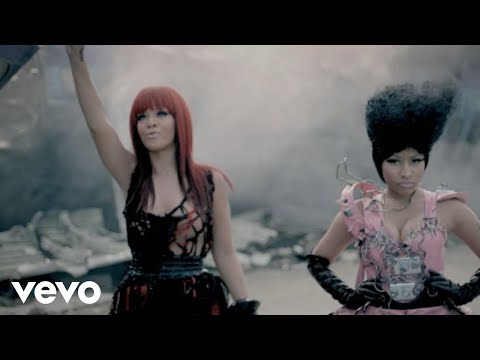
Produced by Makeba Riddick, Melvin “Saint” Sales, and Shama Joseph, with songwriting contributions from Rihanna, the track blends Caribbean reggae rhythms, steel drum textures, and pop sensibilities, creating a sonic backdrop that contrasts sharply with the song’s dark lyrical content. The music video, directed by Anthony Mandler and filmed in New Orleans, premiered on BET’s 106 & Park in May 2011 and quickly became the subject of intense public debate, drawing criticism from advocacy groups such as the Parents Television Council, Enough Is Enough, and Industry Ears, who argued that the video’s depiction of violence could incite aggression or normalize retaliatory behavior among young viewers.
Positive Critical Perspectives: Artistic Courage and Social Commentary
Critics and cultural commentators have widely praised “Man Down” for its bold confrontation of sexual violence, its unflinching portrayal of female trauma, and its challenge to the double standards that often govern the representation of women in pop music and media. Many reviewers have highlighted the song’s narrative complexity, which alternates between a flashback to the assault and Rihanna’s character’s present-day confession to her mother, creating a layered emotional arc that underscores the psychological toll of violence and the moral ambiguity of revenge. Lines such as “Mama, I just shot a man down” and “He could have been someone’s son” have been interpreted as appeals to humanistic sentiment, forcing listeners to confront the humanity of both victim and perpetrator while grappling with the systemic failures that often leave survivors without adequate support or justice.
The music video’s visual storytelling—featuring vivid Caribbean-inspired imagery, flashbacks, and a somber courtroom confession—has been lauded for its cinematic scope and emotional intensity, with many critics noting that Rihanna’s performance conveys a depth of vulnerability, guilt, and defiance rarely seen in mainstream pop visuals. The decision to frame the narrative in a Caribbean setting, evoking Rihanna’s Barbadian heritage, has been interpreted as a deliberate artistic choice that grounds the story in a specific cultural and geographic context, while also universalizing its themes of trauma, survival, and moral reckoning.
Culturally, “Man Down” has been celebrated as a powerful statement on the social vulnerability of women, particularly in contexts where sexual violence is rampant and institutional responses are inadequate. Rihanna’s own history as a survivor of domestic violence—having been assaulted by her then-boyfriend Chris Brown in 2009—has lent additional weight to the song’s messaging, with many observers interpreting the track as a coded reflection on her personal experiences and a broader commentary on the cycles of abuse, shame, and silence that often surround such cases. The song’s release, less than two years after the high-profile incident, has been viewed by some as a courageous act of artistic vulnerability, using pop music as a platform to raise awareness about rape culture, victim-blaming, and the urgent need for societal change.
Negative Critical Perspectives: Controversy, Double Standards, and Ethical Concerns
Despite its artistic and social ambitions, “Man Down” has faced sharp criticism on multiple fronts. Upon release, the music video attracted controversy for its graphic depiction of violence, sexual assault, and retaliatory murder, with some critics arguing that the visual narrative risked romanticizing or normalizing vigilante justice, particularly among younger audiences. Advocacy groups such as the Parents Television Council and Enough Is Enough condemned the video as an act of calculated violence that could incite aggression or send mixed messages about the appropriate responses to sexual assault. Some observers questioned whether the song’s portrayal of a woman shooting her abuser, while emotionally resonant, ultimately reinforced a cycle of violence rather than offering a constructive model for healing, justice, or systemic reform.
From a lyrical standpoint, “Man Down” has been critiqued for its moral ambiguity, with some critics arguing that the song’s depiction of a remorseful yet unrepentant killer creates ethical confusion about the nature of justice, accountability, and the limits of self-defense. The repeated refrain of “I didn’t mean to take his life” juxtaposed with the acknowledgment that “he won’t be getting up again” has been interpreted by some as an attempt to humanize a character who has committed a violent act, potentially complicating the song’s messaging around victimhood and agency.
The song’s limited promotional push and absence from U.S. radio have also been cited as evidence of the music industry’s discomfort with narratives that challenge conventional portrayals of female vulnerability and passivity. Some critics have pointed to the double standards at play, noting that male artists frequently depict violence, aggression, and retribution in their music and videos without facing comparable backlash, while Rihanna’s portrayal of a woman taking control and answering back on her own terms was met with widespread condemnation. This disparity has led to broader debates about the politics of representation, the boundaries of acceptable content in pop music, and the ways in which female artists are policed for expressing anger, agency, or defiance.
Contribution to Music, Social Discourse, and Cultural Representation
“Man Down” has had measurable impacts across multiple sectors of the entertainment and advocacy industries. In music, it reinforced the viability of socially conscious pop as a platform for addressing difficult topics such as sexual violence, trauma, and moral ambiguity, encouraging other artists to engage with similar themes in their work. The track’s reggae-infused production and Caribbean-inspired aesthetics also contributed to the broader normalization of diasporic sounds in mainstream pop, paving the way for later hits that incorporate reggae, dancehall, and Afrobeat influences.
Culturally, the song and its video have contributed to broader conversations about rape culture, victim-blaming, and the representation of women in media, encouraging listeners to engage critically with the ways in which pop music constructs narratives of trauma, agency, and justice. Its adoption by survivors and advocates as an anthem of resistance and empowerment has underscored its emotional resonance and its capacity to function as both a work of art and a tool for social awareness. Rihanna’s public defense of the video—framing it as a “message of empowerment for girls” and a reflection of the global reality of rape—has further amplified its cultural impact, positioning the track as a catalyst for dialogue about the urgent need for institutional and societal change.
In advocacy and education, “Man Down” has been used in discussions about sexual violence, consent, and the complexities of survivor narratives, with some educators and activists citing the song as a valuable entry point for conversations about trauma, revenge, and the limitations of current justice systems. The song’s moral ambiguity—its refusal to offer a clear resolution or moral judgment—has been viewed by some as a strength, forcing listeners to grapple with the messy, uncomfortable realities of violence and its aftermath rather than retreating into simplistic narratives of good and evil.
Societal and Economic Impact
From an economic perspective, “Man Down” has generated revenue through album sales, streaming, licensing, and performance rights, contributing to the broader financial ecosystem of the music industry, including songwriters, producers, directors, and performance crews. Its controversy also generated significant media attention, enhancing Rihanna’s visibility and reinforcing her status as an artist willing to take risks and challenge conventions.
However, the song’s societal contributions remain contested. On one hand, it has offered a sense of solidarity and inspiration to survivors of sexual violence, reinforcing messages of agency, resilience, and the right to self-defense. On the other hand, its focus on retaliatory violence has led some to question whether it ultimately normalizes or romanticizes aggression, potentially undermining its empowerment messaging by framing justice as contingent on individual acts of retribution rather than systemic reform.
Legacy and Lasting Influence
More than a decade after its release, “Man Down” endures as one of Rihanna’s most culturally significant and thematically ambitious tracks, regularly featured in retrospectives, fan compilations, and discussions of Loud’s artistic achievements. Its influence can be heard in the continued appreciation for socially conscious pop, as well as in the growing recognition of Caribbean and diasporic sounds as key players in the global music landscape.
The song’s structural innovations—particularly its use of flashbacks, moral ambiguity, and reggae-infused production—have been studied by music analysts and producers as a model for crafting emotionally compelling tracks that prioritize narrative complexity and cultural specificity over conventional pop formulas. At the same time, the debates it sparked—about violence, agency, representation, and the balance between artistic expression and social responsibility—remain relevant, ensuring that “Man Down” is remembered not only as a controversial hit but as a complex cultural artifact that continues to invite analysis and reinterpretation.
In sum, “Man Down” by Rihanna is a song of dualities: a celebration of agency that leans on retaliatory violence, a tribute to survivors that challenges conventional narratives, and an artistic statement that is inseparable from the cultural and industrial machinery that brought it to life. Its real contribution lies not in resolving these tensions but in making them audible, forcing listeners to grapple with the messy, lucrative, and often uneasy relationship between art, identity, and commerce in the 21st century.
![Ed Sheeran – Put It All On Me (feat. Ella Mai) [Official Music Video Complete] | Global Love Stories, Streaming Era Critique & Real Industry Impact](https://scaleaiforge.store/wp-content/uploads/2026/07/ed-sheeran-put-it-all-on-me-feat-ella-mai-official-music-video-complete-global-love-stories-streaming-era-critique-real-industry-impact.jpg)
![Ed Sheeran – 2step (feat. Lil Baby) [Official Video Complete] | Kyiv Visual, Trap-Pop Remix, Streaming Controversy & Real Social Impact](https://scaleaiforge.store/wp-content/uploads/2026/07/ed-sheeran-2step-feat-lil-baby-official-video-complete-kyiv-visual-trap-pop-remix-streaming-controversy-real-social-impact.jpg)
![Ed Sheeran & Justin Bieber – I Don’t Care [Official Music and Complete Video] | Viral Duo Collab, Green-Screen Critique, Streaming Power & Real Industry Impact](https://scaleaiforge.store/wp-content/uploads/2026/07/ed-sheeran-justin-bieber-i-dont-care-official-music-and-complete-video-viral-duo-collab-green-screen-critique-streaming-power-real-industry-impact.jpg)
![Ed Sheeran – Beautiful People (feat. Khalid) [Official Music Video Complete] | Anti-Celebrity Anthem, Superficiality Critique, Streaming Power & Real Industry Impact](https://scaleaiforge.store/wp-content/uploads/2026/07/ed-sheeran-beautiful-people-feat-khalid-official-music-video-complete-anti-celebrity-anthem-superficiality-critique-streaming-power-real-industry-impact.jpg)