Wild Thoughts – DJ Khaled ft. Rihanna & Bryson Tiller
“Wild Thoughts,” released in June 2017 as the lead single from DJ Khaled’s tenth studio album Grateful, is a sultry, Latin-tinged pop-R&B hybrid that samples Santana’s 1999 hit “Maria Maria” and features Rihanna and Bryson Tiller in a steamy duet about intoxicating attraction, drunken seduction, and the urge to abandon restraint in the company of a desirable partner.
Commercial Performance and Industry Impact
“Wild Thoughts” achieved significant commercial success upon release, peaking at number two on the U.S. Billboard Hot 100 and reaching the top ten in more than a dozen countries, including the United Kingdom, Canada, Australia, and multiple European markets. The track earned multi-platinum certifications in several territories and has accumulated billions of global streams across digital platforms, with its official music video on YouTube surpassing 1.5 billion views as of 2026. The song’s success helped cement DJ Khaled’s status as a hitmaker and curator of star-studded collaborations, reinforcing his brand as a producer who assembles A-list talent for maximum commercial impact.
From an industry perspective, “Wild Thoughts” exemplifies the “pop star + producer + featured vocalist” formula that dominated mainstream music throughout the 2010s, a strategy that leverages high-profile collaborations to generate buzz, radio play, and streaming numbers. The track’s integration of Latin guitar riffs, R&B vocals, and hip-hop production marked a continuation of the broader trend toward global, diasporic influences in pop, building on the success of earlier hits that incorporated reggae, Afrobeat, and Latin elements into top-40 formats. The song’s use of the “Maria Maria” sample—originally a collaboration between Carlos Santana, The Product G&B, and Wyclef Jean—also underscored the enduring appeal of late-1990s and early-2000s pop and R&B aesthetics, contributing to a wave of nostalgia-driven production that would define much of the late 2010s and early 2020s.
Positive Critical Perspectives: Artistic Chemistry and Sonic Appeal
Critics and cultural commentators have widely praised “Wild Thoughts” for its seductive energy, infectious production, and the undeniable chemistry between Rihanna and Bryson Tiller. Many reviewers have highlighted Rihanna’s vocal performance as the track’s standout element, noting her ability to convey sensuality, confidence, and playful abandon with a low, effortless delivery that elevates the song’s themes of drunken flirtation and late-night temptation. The decision to sample “Maria Maria” has been lauded for its nostalgic appeal, with the recognizable guitar riff serving as an instant hook that bridges generational audiences and creates a sense of familiarity while still feeling contemporary.
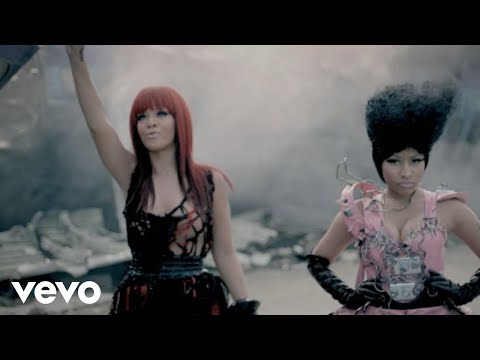
The music video, directed by Colin Tilley and filmed in Miami, has also received critical acclaim for its cinematic scope, vibrant visuals, and Rihanna’s commanding presence. The clip features Rihanna and Tiller in a series of luxurious, sun-drenched settings—yachts, beach houses, and tropical landscapes—interspersed with scenes of intimate connection, dancing, and carefree indulgence. Critics have praised the video’s aesthetic coherence, noting that its sun-soaked, hedonistic imagery aligns seamlessly with the song’s lyrical content and sonic atmosphere, creating a cohesive audiovisual experience that reinforces the track’s themes of desire and escapism.
Culturally, “Wild Thoughts” has been interpreted as a celebration of summer, romance, and the freedom to indulge in fleeting moments of pleasure without overthinking consequences. The song’s adoption as a staple in clubs, parties, and social media content has further extended its reach, making it a defining anthem of the 2017 summer season and a go-to track for contexts that prioritize mood, atmosphere, and physical engagement. Its success also contributed to the broader normalization of Latin and Caribbean influences in mainstream pop, paving the way for later hits that incorporate reggaeton, salsa, and other global rhythms into top-40 formats.
Negative Critical Perspectives: Creative Limitations and Ethical Concerns
Despite its commercial success, “Wild Thoughts” has faced criticism on several fronts. Some music critics have argued that the song, while effective as a pop product, relies heavily on familiar tropes of seduction, intoxication, and romantic objectification, potentially reinforcing reductive narratives about female desire and the dynamics of attraction. Others have pointed out that the track’s lyrical simplicity—repetitive phrases and minimal narrative development—reflects the broader trend in 2010s pop toward hook-driven, content-light songwriting designed for maximum radio and streaming appeal rather than artistic depth.
From a production standpoint, “Wild Thoughts” has been critiqued for its perceived lack of originality, with some observers arguing that the reliance on the “Maria Maria” sample feels more like a calculated nostalgia play than a genuinely innovative reinterpretation. The track’s instrumentation—particularly the guitar and drum programming—has been described by some as flat and underwhelming compared to the richness and complexity of Santana’s original, with critics noting that the production lacks the warmth, dynamics, and emotional resonance that made “Maria Maria” a timeless hit. Bryson Tiller’s feature, while competent, has also been viewed by some as emotionally detached and underutilized, with his mellow, trap-soul delivery contrasting awkwardly against Rihanna’s more dynamic and expressive performance.
The music video, while visually striking, has also drawn mixed reactions, with some viewers interpreting its emphasis on luxury, beauty, and physical perfection as reinforcing narrow standards of attractiveness and success. The clip’s portrayal of Rihanna and Tiller in a series of opulent, sun-drenched settings—featuring designer clothing, exotic locations, and curated aesthetics—has been critiqued by some as a superficial celebration of materialism and superficiality, potentially overshadowing the song’s more nuanced themes of connection and desire.
Contribution to Music, Fashion, and Cultural Discourse
“Wild Thoughts” has had measurable impacts across multiple sectors of the entertainment industry. In music, it reinforced the viability of nostalgia-driven production and the integration of Latin and Caribbean influences in mainstream pop, contributing to the broader normalization of global sounds in top-40 formats. The track’s success also underscored the continued relevance of high-profile collaborations as a strategy for generating commercial success, influencing industry investment in star-studded projects and cross-genre partnerships.
Culturally, the song has contributed to broader conversations about desire, attraction, and the politics of representation in pop music, encouraging listeners to engage critically with the ways in which mainstream tracks construct narratives of romance, seduction, and identity. Its adoption by fans navigating personal experiences of attraction, flirtation, and late-night indulgence has underscored its emotional resonance and its capacity to function as both a dance anthem and a source of escapism.
In fashion and visual culture, the music video’s emphasis on luxury, beauty, and curated aesthetics has influenced trends in editorial photography, music video direction, and influencer content, reinforcing the idea that pop visuals are not only entertainment but also aspirational branding tools. Rihanna’s styling in the video—featuring designer clothing, sheer fabrics, and glamorous accessories—has further cemented her status as a fashion icon, influencing trends in streetwear, swimwear, and red-carpet fashion.
Societal and Economic Impact
From an economic perspective, “Wild Thoughts” has generated significant revenue through sales, streaming, licensing, and performance rights, contributing to the broader financial ecosystem of the music industry, including songwriters, producers, directors, choreographers, and performance crews. Its success also reinforced the viability of high-budget, cinematically ambitious music videos as marketing tools, influencing industry investment in visual content as a key driver of artist branding and fan engagement.
However, the song’s societal contributions remain contested. On one hand, it has offered a sense of escapism and inspiration to listeners navigating personal experiences of attraction and desire, reinforcing messages of confidence, self-expression, and the pursuit of pleasure. On the other hand, its focus on seduction, intoxication, and materialism has led some to question whether it ultimately reinforces superficial narratives about romance and success, potentially undermining its empowerment messaging by framing fulfillment as contingent on physical beauty, luxury, and fleeting moments of indulgence.
Legacy and Lasting Influence
More than seven years after its release, “Wild Thoughts” endures as one of DJ Khaled’s most recognizable and frequently performed tracks, regularly featured in retrospectives, fan compilations, and summer playlists. Its influence can be heard in the continued popularity of Latin and Caribbean-influenced pop, as well as in the acceptance of nostalgia-driven production as a viable and impactful aesthetic in contemporary music.
The song’s structural innovations—particularly its use of the “Maria Maria” sample, sultry vocal delivery, and sun-soaked visuals—have been studied by music analysts and producers as a model for crafting engaging, physically compelling pop tracks that prioritize mood, atmosphere, and cross-generational appeal. At the same time, the debates it sparked—about creative originality, cultural representation, and the balance between artistic expression and commercial imperatives—remain relevant, ensuring that “Wild Thoughts” is remembered not only as a hit but as a complex cultural artifact that continues to invite analysis and reinterpretation.
In sum, “Wild Thoughts” by DJ Khaled featuring Rihanna and Bryson Tiller is a song of dualities: a celebration of desire that leans on seductive tropes, a summer anthem that balances escapism with superficiality, and a pop masterpiece that is inseparable from the collaborative machinery that brought it to life. Its real contribution lies not in resolving these tensions but in making them audible, forcing listeners to grapple with the messy, lucrative, and often uneasy relationship between art, identity, and commerce in the 21st century.

![Ed Sheeran – Put It All On Me (feat. Ella Mai) [Official Music Video Complete] | Global Love Stories, Streaming Era Critique & Real Industry Impact](https://scaleaiforge.store/wp-content/uploads/2026/07/ed-sheeran-put-it-all-on-me-feat-ella-mai-official-music-video-complete-global-love-stories-streaming-era-critique-real-industry-impact.jpg)
![Ed Sheeran – 2step (feat. Lil Baby) [Official Video Complete] | Kyiv Visual, Trap-Pop Remix, Streaming Controversy & Real Social Impact](https://scaleaiforge.store/wp-content/uploads/2026/07/ed-sheeran-2step-feat-lil-baby-official-video-complete-kyiv-visual-trap-pop-remix-streaming-controversy-real-social-impact.jpg)
![Ed Sheeran & Justin Bieber – I Don’t Care [Official Music and Complete Video] | Viral Duo Collab, Green-Screen Critique, Streaming Power & Real Industry Impact](https://scaleaiforge.store/wp-content/uploads/2026/07/ed-sheeran-justin-bieber-i-dont-care-official-music-and-complete-video-viral-duo-collab-green-screen-critique-streaming-power-real-industry-impact.jpg)
![Ed Sheeran – Beautiful People (feat. Khalid) [Official Music Video Complete] | Anti-Celebrity Anthem, Superficiality Critique, Streaming Power & Real Industry Impact](https://scaleaiforge.store/wp-content/uploads/2026/07/ed-sheeran-beautiful-people-feat-khalid-official-music-video-complete-anti-celebrity-anthem-superficiality-critique-streaming-power-real-industry-impact.jpg)