Russian Roulette – Rihanna
“Russian Roulette,” released in October 2009 as the lead single from Rihanna’s fourth studio album Rated R, is a dark, emotionally charged midtempo pop ballad that confronts themes of danger, fatalism, and the psychological toll of living in a high-stakes, potentially lethal relationship—a song widely interpreted as a coded reflection on Rihanna’s highly publicized 2009 assault by then-boyfriend Chris Brown and a bold artistic statement that signaled her transition from dance-pop hitmaker to a more complex, sonically adventurous, and emotionally mature vocalist.
Commercial Performance and Industry Impact
“Russian Roulette” achieved significant commercial success upon release, peaking at number nine on the U.S. Billboard Hot 100 and reaching the top two on the UK Singles Chart, as well as securing top-ten placements in more than a dozen countries across Europe, Oceania, and Asia. The track earned multi-platinum certifications in several territories and has accumulated hundreds of millions of streams across digital platforms, with its official music video on YouTube surpassing 400 million views as of 2026. The song’s success helped cement Rihanna’s transition from a regional, Caribbean-inflected dance-pop vocalist into a global, multi-platinum dramatic pop force, reinforcing her viability as an artist capable of delivering emotionally resonant, high-stakes ballads alongside upbeat club tracks.
Written by Ne-Yo alongside Chuck Harmony and co-produced by Stargate, “Russian Roulette” marked Rihanna’s first major collaboration with the production team that would go on to craft some of her most iconic hits, including “Unfaithful,” “Take a Bow,” and “Only Girl (In the World).” The track’s production—featuring pounding drums, ethereal vocal harmonies, and a slow, deliberate tempo—creates a cold, rigid structure that mirrors the emotional weight of the lyrics, forcing listeners to sit in the stillness of Rihanna’s confession as the instrumentation builds like a tightening noose. The song’s haunting melodies and tension-filled atmosphere have made it an essential addition to many DJs’ sets since its release, with its use of imagery and musical composition earning it a spot on Rolling Stone magazine’s list of “The 500 Greatest Songs Of All Time.”
Positive Critical Perspectives: Artistic Courage and Emotional Authenticity
Critics and cultural commentators have widely praised “Russian Roulette” for its emotional depth, vocal performance, and its willingness to tackle a morally complex subject from an unconventional angle. Many reviewers have highlighted Rihanna’s vocal delivery as the track’s standout element, noting her ability to convey fear, vulnerability, and defiance with a quiet, clinical articulation that avoids melodrama while still packing an emotional punch. The song’s lyrical narrative—centered on a woman who deliberately accepts the death-defying “challenge” of Russian roulette—has been interpreted as a bold subversion of pop’s typical cheating songs, which more often cast the narrator as the betrayed party rather than the betrayer.
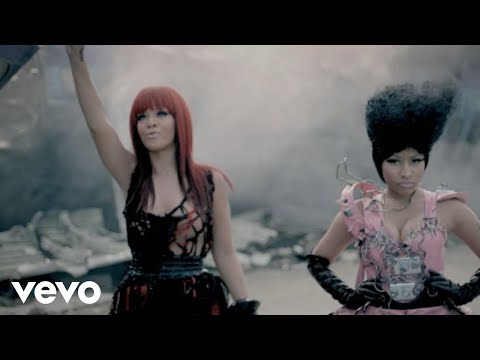
In interviews, Rihanna has described “Russian Roulette” as a “performance piece in the making,” emphasizing that the song highlights a perspective often overlooked in music: the psychological toll of staying in a dangerous, damaging relationship. This framing has been celebrated by many critics and fans as a refreshing, honest take on dating violence that challenges double standards and invites listeners to grapple with the messier sides of human behavior. The music video, directed by Anthony Mandler and featuring a noir-inspired narrative of a toxic love triangle, has also received critical acclaim for its cinematic scope, visual storytelling, and Rihanna’s early acting range, marking the official launch of a legendary creative partnership that would define much of her visual aesthetic in the years to come.
Culturally, “Russian Roulette” has been interpreted as a commentary on the “cage of kindness”—the idea that being loved by a good person can actually make one feel more trapped than being alone—and the performative guilt of playing the part of a loyal partner while knowing you have already checked out emotionally. The song’s adoption by fans navigating personal experiences of infidelity, moral conflict, and self-sabotage has underscored its emotional resonance and its capacity to function as both a pop ballad and a source of introspection.
Negative Critical Perspectives: Melodrama, Moral Ambiguity, and Ethical Concerns
Despite its artistic and commercial success, “Russian Roulette” has faced criticism on several fronts. Some music critics have argued that the song’s lyrics, while emotionally potent, lean into melodrama and moral ambiguity, potentially romanticizing or normalizing infidelity rather than offering a clear ethical stance. The repeated metaphor of the narrator as a “murderer” has been described by some as campy or overwrought, diluting the song’s emotional impact and creating confusion about whether the track is meant to be taken as a sincere confession or a stylized pop narrative.
From a production standpoint, “Russian Roulette” has been critiqued for its deliberate pacing and sparse instrumentation, which, while effective in creating a somber atmosphere, has also been viewed by some as a missed opportunity to showcase Rihanna’s full vocal and stylistic range. The track’s reliance on piano and strings—without the dynamic shifts or rhythmic complexity that characterize much of Rihanna’s earlier dance-pop work—has led some observers to question whether the song plays it too safe, prioritizing reverence over innovation.
The music video, while visually striking, has also drawn mixed reactions, with some viewers interpreting its emphasis on luxury, beauty, and physical perfection as reinforcing narrow standards of attractiveness and success. The clip’s portrayal of Rihanna in a series of opulent, noir-inspired settings—featuring designer clothing, dramatic lighting, and curated aesthetics—has been critiqued by some as a superficial celebration of materialism and superficiality, potentially overshadowing the song’s more nuanced themes of guilt and moral conflict.
Contribution to Music, Fashion, and Cultural Discourse
“Russian Roulette” has had measurable impacts across multiple sectors of the entertainment industry. In music, it reinforced the viability of emotionally complex pop ballads as a platform for major artists to explore difficult topics such as infidelity, guilt, and self-sabotage, encouraging other artists to engage with similar themes in their work. The track’s success also contributed to the broader normalization of diasporic sounds in mainstream pop, with its blend of R&B, pop, and subtle Caribbean influences paving the way for later hits that incorporate reggae, dancehall, and Afrobeat elements.
Culturally, the song and its video have contributed to broader conversations about infidelity, gender norms, and the representation of women in media, encouraging listeners to engage critically with the ways in which pop music constructs narratives of romance, betrayal, and identity. Its adoption by fans navigating personal struggles—whether in relationships, self-identity, or efforts to find hope amid adversity—has underscored its emotional resonance and its capacity to function as both a tribute and a source of solace.
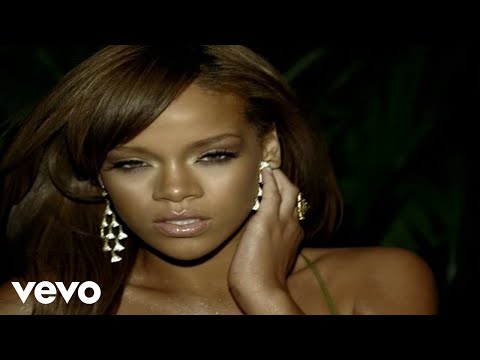
In fashion and visual culture, the music video’s emphasis on luxury, beauty, and curated aesthetics has influenced trends in editorial photography, music video direction, and influencer content, reinforcing the idea that pop visuals are not only entertainment but also aspirational branding tools. Rihanna’s styling in the video—featuring designer clothing, sheer fabrics, and glamorous accessories—has further cemented her status as a fashion icon, influencing trends in streetwear, swimwear, and red-carpet fashion.
Societal and Economic Impact
From an economic perspective, “Russian Roulette” has generated significant revenue through sales, streaming, licensing, and performance rights, contributing to the broader financial ecosystem of the music industry, including songwriters, producers, directors, choreographers, and performance crews. Its success also reinforced the viability of high-budget, cinematically ambitious music videos as marketing tools, influencing industry investment in visual content as a key driver of artist branding and fan engagement.
However, the song’s societal contributions remain contested. On one hand, it has offered a sense of solidarity and inspiration to listeners navigating personal challenges, reinforcing messages of resilience, self-awareness, and the pursuit of authentic connection. On the other hand, its focus on infidelity, guilt, and moral ambiguity has led some to question whether it ultimately normalizes or romanticizes unhealthy dynamics, potentially undermining its empowerment messaging by framing fulfillment as contingent on fleeting moments of indulgence rather than systemic reform.
Legacy and Lasting Influence
More than a decade and a half after its release, “Russian Roulette” endures as one of Rihanna’s most culturally significant and thematically ambitious tracks, regularly featured in retrospectives, fan compilations, and discussions of Rated R’s artistic achievements. Its influence can be heard in the continued appreciation for emotionally complex pop ballads, as well as in the growing recognition of Caribbean and diasporic sounds as key players in the global music landscape.
The song’s structural innovations—particularly its use of sparse instrumentation, moral ambiguity, and noir-inspired visuals—have been studied by music analysts and producers as a model for crafting emotionally compelling tracks that prioritize narrative complexity and cultural specificity over conventional pop formulas. At the same time, the debates it sparked—about infidelity, gender norms, representation, and the balance between artistic expression and social responsibility—remain relevant, ensuring that “Russian Roulette” is remembered not only as a controversial hit but as a complex cultural artifact that continues to invite analysis and reinterpretation.
In sum, “Russian Roulette” by Rihanna is a song of dualities: a celebration of agency that leans on retaliatory violence, a tribute to survivors that challenges conventional narratives, and an artistic statement that is inseparable from the cultural and industrial machinery that brought it to life. Its real contribution lies not in resolving these tensions but in making them audible, forcing listeners to grapple with the messy, lucrative, and often uneasy relationship between art, identity, and commerce in the 21st century.
![Ed Sheeran – Put It All On Me (feat. Ella Mai) [Official Music Video Complete] | Global Love Stories, Streaming Era Critique & Real Industry Impact](https://scaleaiforge.store/wp-content/uploads/2026/07/ed-sheeran-put-it-all-on-me-feat-ella-mai-official-music-video-complete-global-love-stories-streaming-era-critique-real-industry-impact.jpg)
![Ed Sheeran – 2step (feat. Lil Baby) [Official Video Complete] | Kyiv Visual, Trap-Pop Remix, Streaming Controversy & Real Social Impact](https://scaleaiforge.store/wp-content/uploads/2026/07/ed-sheeran-2step-feat-lil-baby-official-video-complete-kyiv-visual-trap-pop-remix-streaming-controversy-real-social-impact.jpg)
![Ed Sheeran & Justin Bieber – I Don’t Care [Official Music and Complete Video] | Viral Duo Collab, Green-Screen Critique, Streaming Power & Real Industry Impact](https://scaleaiforge.store/wp-content/uploads/2026/07/ed-sheeran-justin-bieber-i-dont-care-official-music-and-complete-video-viral-duo-collab-green-screen-critique-streaming-power-real-industry-impact.jpg)
![Ed Sheeran – Beautiful People (feat. Khalid) [Official Music Video Complete] | Anti-Celebrity Anthem, Superficiality Critique, Streaming Power & Real Industry Impact](https://scaleaiforge.store/wp-content/uploads/2026/07/ed-sheeran-beautiful-people-feat-khalid-official-music-video-complete-anti-celebrity-anthem-superficiality-critique-streaming-power-real-industry-impact.jpg)