Samba Africa – Rihanna (2026)
As of mid‑2026, “Samba Africa – Rihanna (2026)” does not appear to be an officially released Rihanna single or album track issued by Rihanna’s label (Roc Nation/Def Jam) or her own business entities. The content that circulates online under this title consists of fan‑made or AI‑assisted Afrobeat/Afro‑fusion tracks and videos that use Rihanna’s name, vocal style, or AI‑generated vocals for entertainment purposes, rather than confirmed, label‑backed releases.
What currently exists online
Multiple YouTube and social posts from 2026 present tracks titled “Samba Africa,” “Samba Afrika,” “Simba Africa,” or similar, described as “Rihanna 2026 Afrobeat Music Video.” These uploads typically explain in their descriptions that they are written and produced by independent creators or small labels (for example, “sunohub‑x,” “sonybeatz records,” “SoundWaveRecords,” “Musille Africa Records”) and explicitly state they use AI‑generated vocals or are “for fans engagement and entertainment purposes only.” Some posts even note that Rihanna is “rumored to release her long‑awaited album in 2026” but include “no official” confirmation, effectively acknowledging that the track is not an authentic Rihanna release.
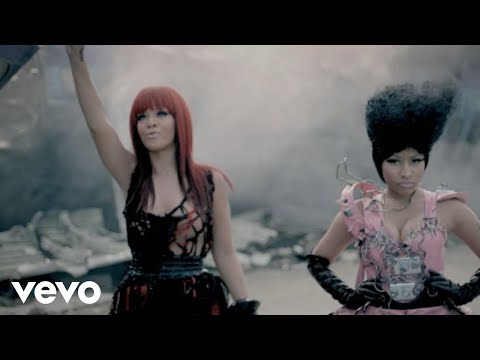
In practical terms, “Samba Africa – Rihanna (2026)” functions online as a fan/AI concept piece: an Afro‑fusion anthem that imagines Rihanna returning with a pan‑African, dance‑floor‑ready sound, supported by self‑produced visuals and promotional text, but without official involvement from Rihanna, her management, or her record company.
Positive dimensions and potential contributions
Even as an unofficial or fan‑driven project, a track like “Samba Africa – Rihanna (2026)” can be assessed for its cultural and economic implications:
Amplifying Afrobeat and African aesthetics globally: These fan/AI tracks explicitly position themselves as celebrations of African rhythms, drums, chants, and “Afro‑fusion” energy, often invoking Zulu, tribal, and pan‑African imagery. By attaching Rihanna’s name to this sound, they tap into her global brand to draw attention to contemporary African music styles, potentially increasing curiosity about legitimate African artists, labels, and producers.
Creative experimentation and fan culture: The existence of such tracks illustrates how active and inventive the global fan economy has become: fans and independent producers use AI tools, digital audio workstations, and online distribution to create “what‑if” collaborations that would be impossible in traditional label structures. This democratization of production can inspire new creators, especially in Africa and the diaspora, to experiment with sound, video, and branding.
Support for micro‑labels and independent creators: The channels and pages behind these uploads—small YouTube labels, independent producers, and content creators—benefit from the attention these “Rihanna 2026” concepts generate through views, ad revenue, and engagement. In this sense, even unofficial material contributes to the livelihoods of digital creators, editors, thumbnail designers, and community managers within the creator economy.
Cultural imagination and narrative expansion: By imagining Rihanna releasing a track called “Samba Africa” in 2026, these projects reinforce the idea of Rihanna as a global figure connected to African and diasporic identity, aligning with her real‑world investments (such as Fenty) and her Barbadian roots. This can strengthen cultural narratives around Black excellence, pan‑African unity, and the global relevance of African sound.
Critical and negative perspectives
Despite any creative or promotional value, “Samba Africa – Rihanna (2026)” also raises significant concerns:
Misleading branding and potential consumer confusion: Using Rihanna’s name and sometimes AI‑simulated vocals in titles like “Rihanna – Samba Africa (2026 Official Music Video)” can easily mislead casual viewers into believing the track is official. Even when descriptions clarify the AI/fan nature, the headline framing and algorithmic promotion can blur the line between authentic releases and fan concepts, undermining trust in digital platforms.
Intellectual property and rights issues: Leveraging a major artist’s name, image, and vocal identity—even via AI—without explicit permission sits in a legally and ethically gray area. While many creators label their work as “for entertainment only,” this does not fully resolve questions around likeness rights, trademark use, and potential harm to the artist’s brand if the material is low‑quality or controversial.
AI vocal replication and artistic integrity: AI‑generated vocals that mimic Rihanna’s tone and phrasing risk devaluing the labor and uniqueness of the actual artist, contributing to a broader trend where human performance is increasingly substitutable by synthetic replicas. This can pressure real artists, especially from the Global South, to compete with cheap, AI‑generated “versions” of themselves or other stars.
Limited direct social progress: As unofficial, entertainment‑focused tracks, these “Samba Africa” concepts do not fund African music infrastructure, education, or social programs in any systematic way. Their contribution to societal progress is indirect—through cultural imagination and small‑scale creator revenue—rather than through concrete investment in African artists, communities, or institutions.
Economic and sectoral contribution: a realistic assessment
Assessing the real‑world impact of “Samba Africa – Rihanna (2026)” requires distinguishing between fan‑driven activity and official industry output:
Direct financial impact: Any revenue generated by these tracks (ads, streams, sponsorships) accrues to the independent creators and micro‑labels behind them, not to Rihanna or her official ecosystem. The sums are likely modest on a global scale but can be meaningful for small channels and producers operating in the creator economy.
Employment and creator ecosystem support: These projects support work in independent production, AI vocal modeling, video editing, thumbnail design, copywriting, and social media management, contributing to the broader digital creator labor market.
Cultural and symbolic capital: The main long‑term value lies in reinforcing narratives around African sound, Rihanna’s global symbolic connection to Africa, and the creative agency of fans and independent producers. However, this symbolic capital is not directly convertible into structural benefits for African music industries unless paired with real collaborations, funding, or platform support.
Societal progress: The direct contribution to social progress is minimal. These tracks do not drive policy change, fund education, or improve infrastructure for African artists and communities. Their impact is largely cultural and imaginative, rather than developmental or institutional.
Balanced assessment
“Samba Africa – Rihanna (2026)” is best understood not as an official Rihanna release but as a fan‑driven, AI‑assisted Afro‑fusion concept that uses Rihanna’s name and vocal identity to imagine a 2026 comeback rooted in African rhythms and global dance energy. Its positive contributions include amplifying Afrobeat aesthetics, inspiring creative experimentation, and supporting small creators and micro‑labels in the digital economy.
At the same time, the project exemplifies the risks of misleading branding, unresolved intellectual property questions, and the ethical challenges of AI vocal replication, with limited direct social or economic benefit for African artists and communities. Its real value lies less in measurable societal progress and more in reflecting how fans, technology, and global pop iconography intersect to create new forms of cultural expression—while also highlighting the urgent need for clearer rules around AI, rights, and transparency in the music ecosystem.

![Ed Sheeran – Put It All On Me (feat. Ella Mai) [Official Music Video Complete] | Global Love Stories, Streaming Era Critique & Real Industry Impact](https://scaleaiforge.store/wp-content/uploads/2026/07/ed-sheeran-put-it-all-on-me-feat-ella-mai-official-music-video-complete-global-love-stories-streaming-era-critique-real-industry-impact.jpg)
![Ed Sheeran – 2step (feat. Lil Baby) [Official Video Complete] | Kyiv Visual, Trap-Pop Remix, Streaming Controversy & Real Social Impact](https://scaleaiforge.store/wp-content/uploads/2026/07/ed-sheeran-2step-feat-lil-baby-official-video-complete-kyiv-visual-trap-pop-remix-streaming-controversy-real-social-impact.jpg)
![Ed Sheeran & Justin Bieber – I Don’t Care [Official Music and Complete Video] | Viral Duo Collab, Green-Screen Critique, Streaming Power & Real Industry Impact](https://scaleaiforge.store/wp-content/uploads/2026/07/ed-sheeran-justin-bieber-i-dont-care-official-music-and-complete-video-viral-duo-collab-green-screen-critique-streaming-power-real-industry-impact.jpg)
![Ed Sheeran – Beautiful People (feat. Khalid) [Official Music Video Complete] | Anti-Celebrity Anthem, Superficiality Critique, Streaming Power & Real Industry Impact](https://scaleaiforge.store/wp-content/uploads/2026/07/ed-sheeran-beautiful-people-feat-khalid-official-music-video-complete-anti-celebrity-anthem-superficiality-critique-streaming-power-real-industry-impact.jpg)